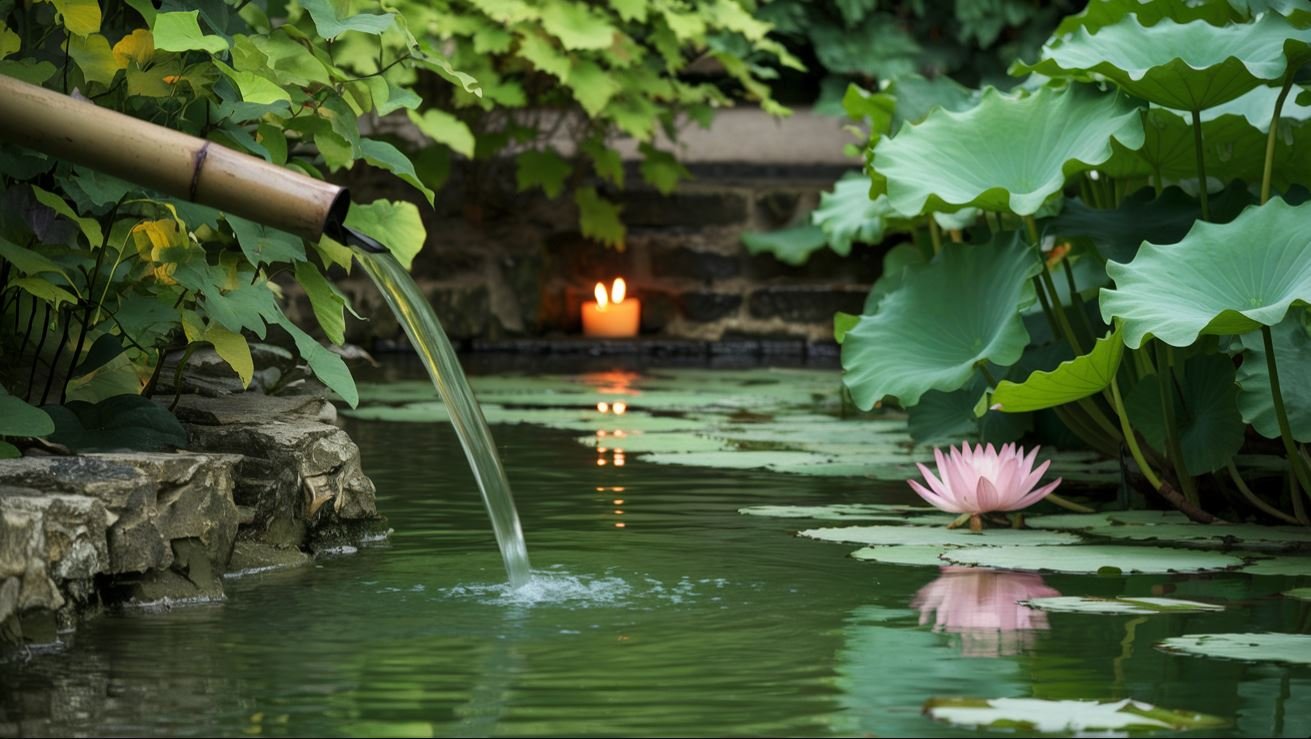
We live in a culture of seeing. Our cameras are always ready, we scroll through thousands of images a day, and we constantly visually consume our surroundings. But we are losing the art of looking—the patient, focused, and deeply rewarding practice of true observation. The difference is fundamental: seeing is a passive, biological function; looking is an active and engaging process of discovery.
When you truly look at something, you move beyond the general label. You don’t just see “a tree”; you notice the specific texture of its bark, the way the light filters through its unique arrangement of leaves, the subtle colors of lichen on its north side, and the architecture of its branches against the sky. This practice forces you out of your rushing thoughts and anchors you firmly in the present moment. It is a form of mindfulness that requires no special equipment, only a decision to pay a different kind of attention.
This practice transforms the mundane into the extraordinary. A daily commute can become a gallery of shifting light and shadow. A cracked pavement reveals a miniature canyon. The face of a stranger in a café tells a silent story of a life fully lived. Artists and scientists have always known this; their breakthroughs often come not from seeing something new, but from looking at the old in a new way. They de-familiarize the familiar, finding infinite complexity in what others dismiss as ordinary.
Cultivating this skill is simple but requires intention. Try spending ten minutes sitting in one spot, observing a single scene. Resist the urge to name things. Instead, note shapes, colors, relationships, and changes. You will find that the world begins to feel richer, more detailed, and more alive. The world is not visually boring; we have simply forgotten how to look at it. By reclaiming this lost art, we deepen our connection to our environment and find a boundless source of wonder in our everyday lives.
Leave a Reply